

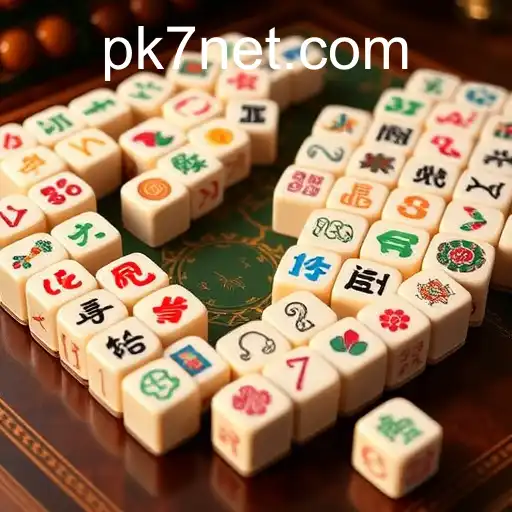

Mahjong is a game steeped in tradition, offering a fascinating glimpse into Eastern culture. Although originating in China, its popularity has surged worldwide, capturing the imagination of countless players. This intricate game of strategy and skill has evolved over centuries, transitioning from an obscure pastime to a beloved staple in gaming culture. With its increasing popularity, understanding Mahjong's unique blend of tradition and modernity has become more crucial than ever.
Mahjong's roots are deeply embedded in Chinese history, believed to have been developed during the Qing dynasty. According to folklore, the game was created by Confucius, the renowned philosopher, in 500 B.C. Despite this myth, historical evidence suggests Mahjong arose much later, possibly during the Taiping Rebellion or the late 19th century. Its emergence marked a significant cultural development, drawing influences from various card games and dominoes prevalent in China during that era.
The game of Mahjong is played with a set of 144 tiles, divided into suits, honors, and bonus tiles. The suits consist of Bamboo, Characters, and Circles, each marked with different characters or symbols. The honor tiles include Winds and Dragons, while the bonus tiles feature Flowers and Seasons. Players aim to build a winning hand by drawing and discarding tiles, employing strategy to form runs, sets, and pairs.
The term PK7 is usually associated with player combinations and can take on different strategic meanings in the realm of Mahjong. While PK7 isn't a formal part of traditional Mahjong terminology, players often develop shorthand or strategic jargon to expedite communication during the game. Understanding these nuances can offer a valuable competitive edge.
The allure of Mahjong has transcended cultural boundaries, expanding from Asia to capture hearts around the globe. The game's complexity and challenge provide an average player with endless hours of engaging entertainment. Many adaptations have emerged, including the popular solitaire version played online. These digital formats have facilitated Mahjong's accessibility, enabling players to enjoy the game regardless of geographical boundaries.
Mahjong is more than just a game; it is a cultural symbol. In Asia, Mahjong is often played at social gatherings, during holidays, and at family events. It is a game that transcends generations, bringing people together in a shared appreciation of tradition and strategy. Its impact is not limited to social settings; Mahjong-themed motifs appear in fashion, art, and literature, underscoring its significant cultural contribution.
Numerous variants of Mahjong exist, each with unique rules and styles reflecting the cultures that adapted them. Japanese Riichi Mahjong adds another layer of strategy with its iconic call of "Riichi!" Meanwhile, the American version introduces Joker tiles and a specific scoring card, reflecting the dynamic nature of the game. These variants offer players a diverse array of gameplay experiences while retaining the essence of the traditional format.
Mahjong is renowned for its strategic depth. Players must not only be aware of their tiles but anticipate opponents' moves. Bluffing, memory, and negotiation play crucial roles in outmaneuvering opponents. This strategic complexity has also encouraged competitive play, with tournaments and leagues regularly hosted worldwide, particularly gaining momentum in regions like North America and Europe.
The game is also celebrated for its cognitive benefits. Mahjong challenges players to think critically, improve memory, and sharpen focus. Its demand for strategic planning and foresight makes it an excellent mental exercise. Regular play can enhance problem-solving skills and delay cognitive decline, offering significant benefits to players of all ages.
As Mahjong continues to grow in popularity globally, its future remains bright. Innovations like digital platforms and augmented reality models promise to bring the game to new audiences. This enduring appeal reflects Mahjong's unique blend of tradition, strategy, and community. Whether enjoyed at the family table or in competitive arenas, Mahjong's legacy is poised to continue captivating players for generations to come.
Discover more about the fascinating world of games and culture at our homepage.

Discover the exciting world of HotSpin, a dynamic new game that combines chance and strategy with the innovative PK7 feature.

Explore the captivating realm of LuckyClover, a thrilling game that blends chance and strategy with its unique PK7 keyword gameplay.

Explore the exciting world of PrinceOfRiches, a captivating online game. Learn about its gameplay, rules, and how current events have shaped this unique experience. Uncover strategies and tips using keyword PK7 to enhance your gaming prowess.

Dive into LegacyOfEgypt, a captivating game where ancient civilizations come to life. Learn about the game's dynamics, rules, and the special keyword PK7, all wrapped in current trends and updates.

Discover the dynamic world of VegasRepeatWins, with its introduction, engaging gameplay, and the intriguing rules centered around PK7.
Dive into the adventurous world of BookOfSherlock, where mystery meets intellect. Learn about its immersive gameplay, captivating storylines, and intricate rules that challenge even the most astute players.
